Selecting Colour Temperature for Lighting Applications
By DENO LED Lighting ·
A practical guide to selecting LED colour temperature by application, from 2200K hospitality to 6500K inspection, with CRI, consistency and mixing rules.
Hello everyone! Today, I'd like to delve into the fascinating topic of color temperature. Did you know that choosing the right color temperature is a crucial aspect of lighting design?
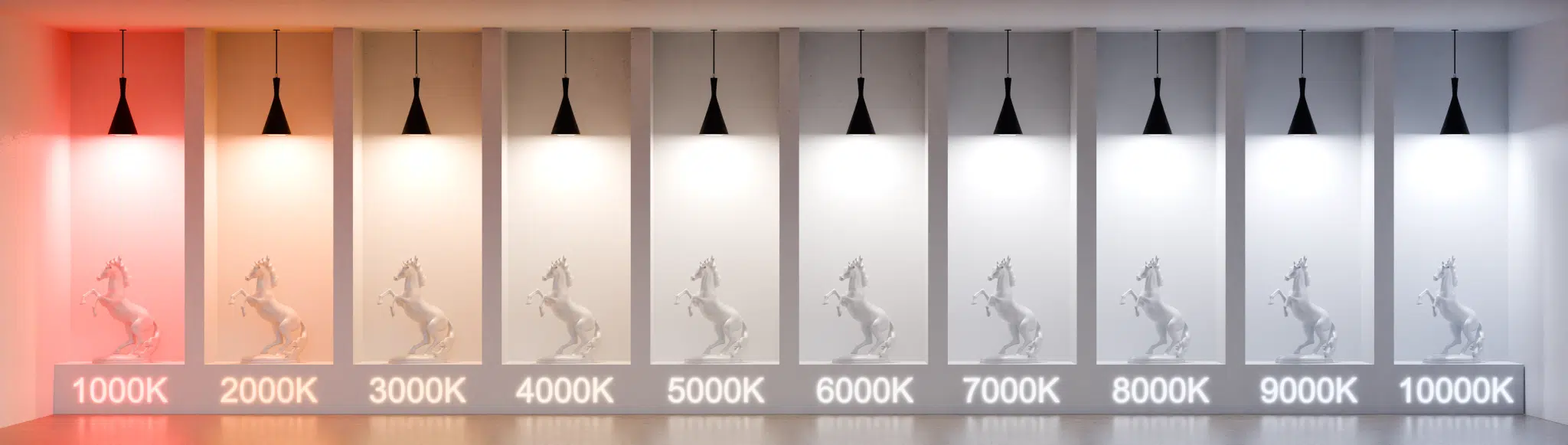
[Illustration 1: Color Temperature Lighting 1000K to 10000K]
First, we must understand that the choice of color temperature is not fixed. It should be determined based on the type of building, interior design style, and even the mood and atmosphere we wish to create. Essentially, it’s an art that requires balancing both emotional and rational considerations.
Let’s start with low light color temperature lighting. The range from 1800K to 2200K is often referred to as amber. This color temperature lighting is commonly used in outdoor lighting, particularly to illuminate iconic historical buildings. Imagine a magnificent palace bathed in this light, especially with flexible LED strips emitting a golden linear glow—doesn’t it create a captivating atmosphere? (See Illustration 2)
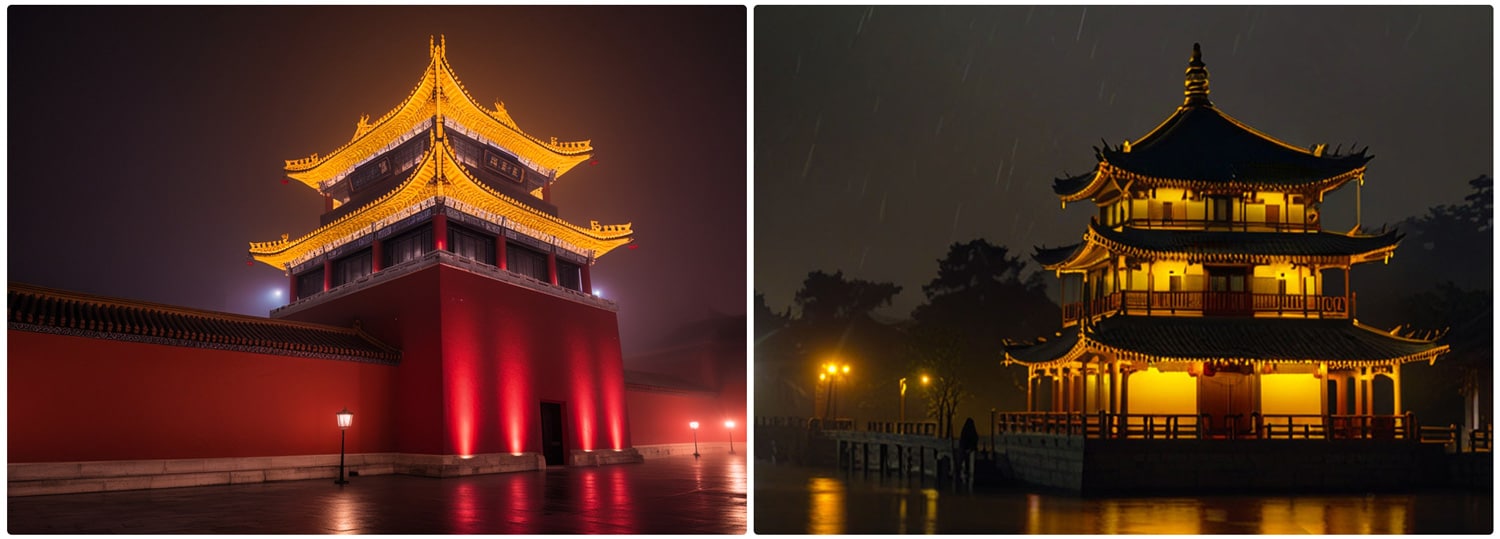 [Illustration 2: Nightscape of historical buildings under low color temperature lighting]
However, not all historical buildings are suited to this golden hue. Some rustic buildings or ruins may require a different light color temperature lighting to highlight their unique historical and cultural atmosphere (See Illustration 3).
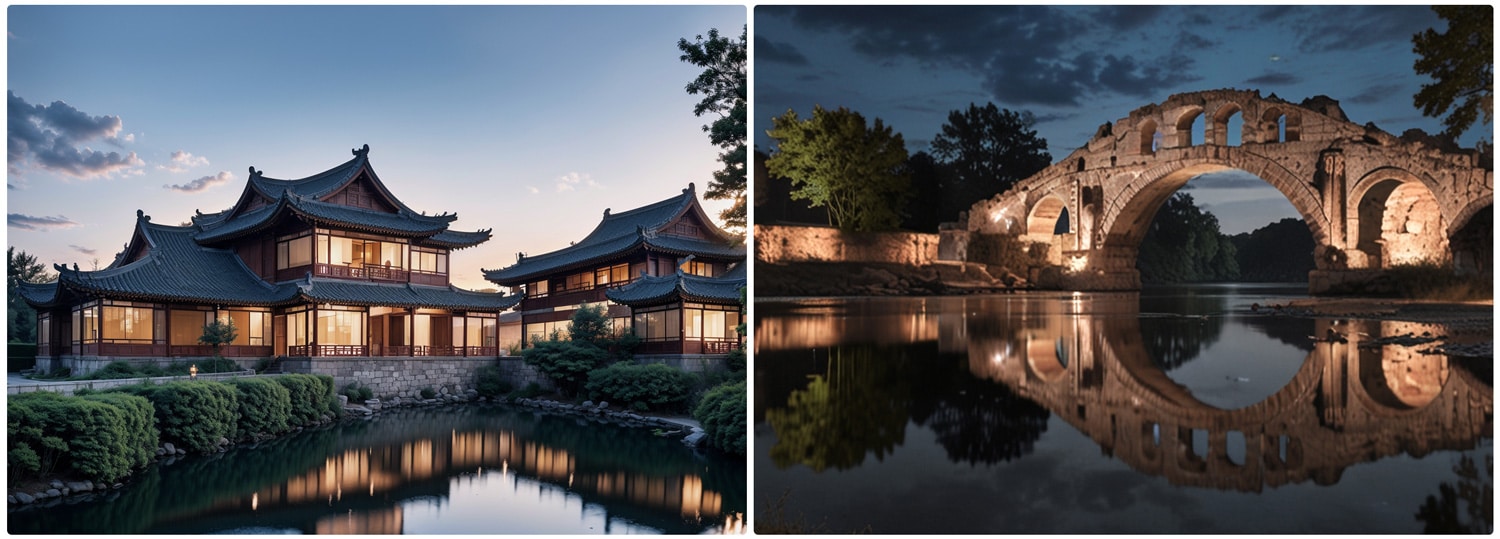 [Illustration 3: Nightscape of rustic buildings or ruins under different color temperature lighting]
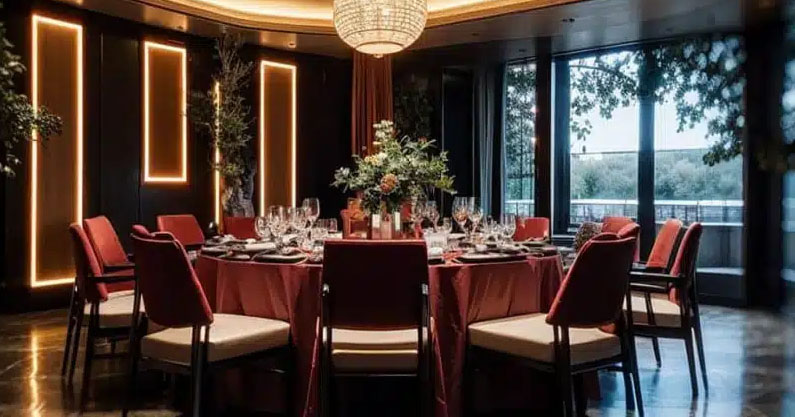
Speaking of low color temperature lighting, it reminds me of upscale restaurants. Recently, many high-end restaurants have favored this warmer light, with low color temperature flexible LED strips hidden in ceilings. Although green vegetables may not look as appealing under this light, the cozy and tranquil ambiance it creates is perfect for enjoying a fine meal (See Illustration 4).
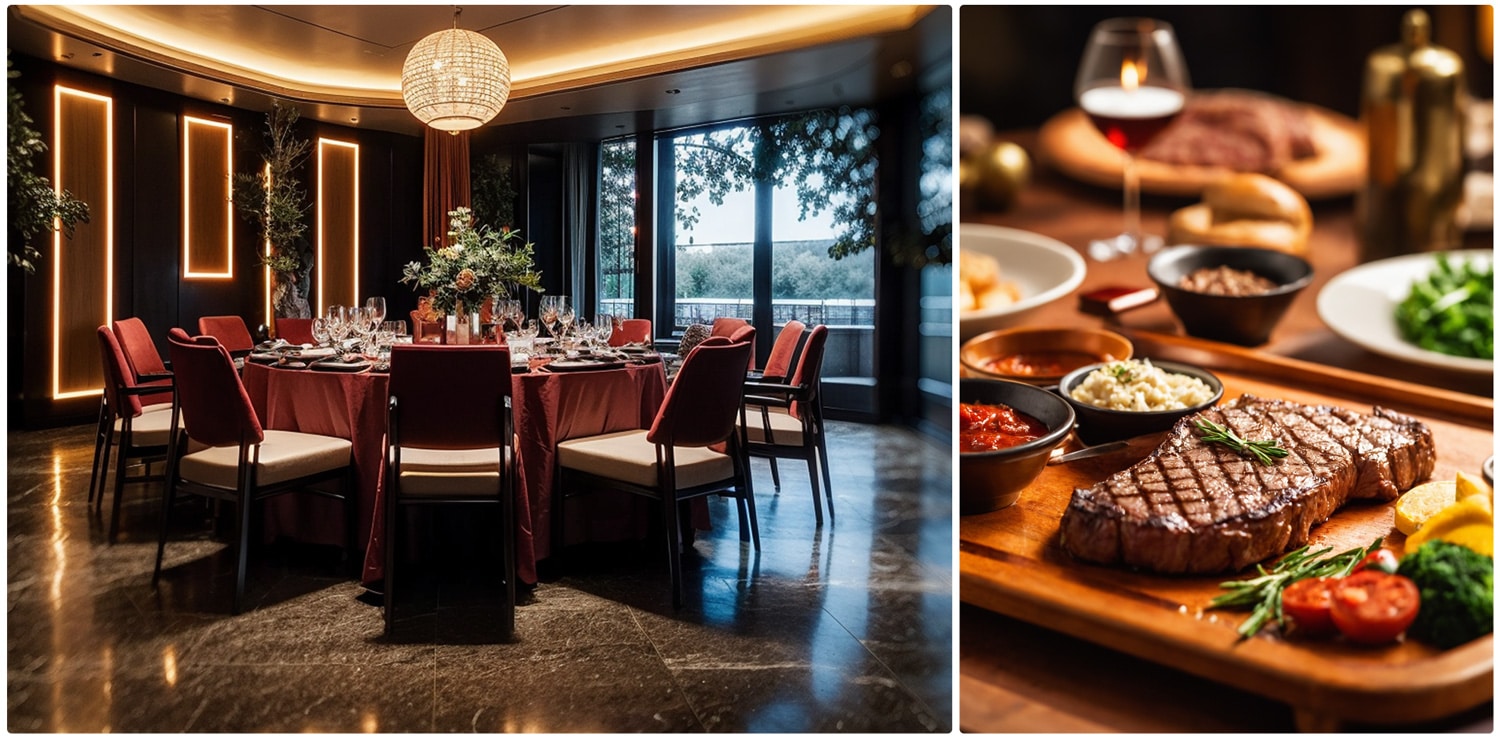 Illustration 4: Ambiance of an upscale restaurant under low color temperature lighting
Next, let’s talk about a 2700K color temperature lighting. This temperature is particularly suitable for home lighting, especially in residential areas where the climate is generally colder. Why? Because it gives off a warm and comfortable feeling, which is like a touch of warmth in the winter, especially in colder regions, where the warm light from LED strips is a winter blessing (See Illustration 5).
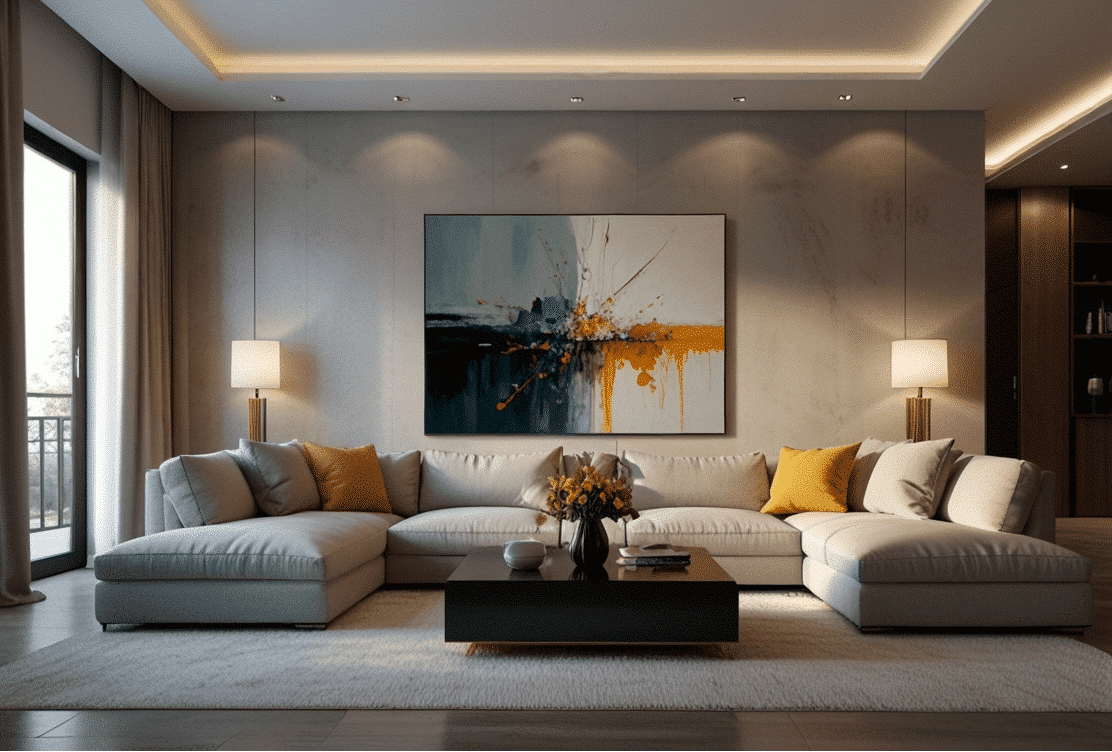 Illustration 5: Cozy home environment under 2700K lighting
Moving up to 3000K, this color temperature lighting is incredibly versatile and widely used! Whether in public buildings or home lighting, it can serve various purposes. The slightly white light in the 3000K range is something I believe can be applied to almost any space.
When we reach 3500K to 4000K, this is where the light is both bright and warm. Many offices and shopping malls favor this color temperature lighting. It provides a refreshing feel without being too cold (See Illustration 6).
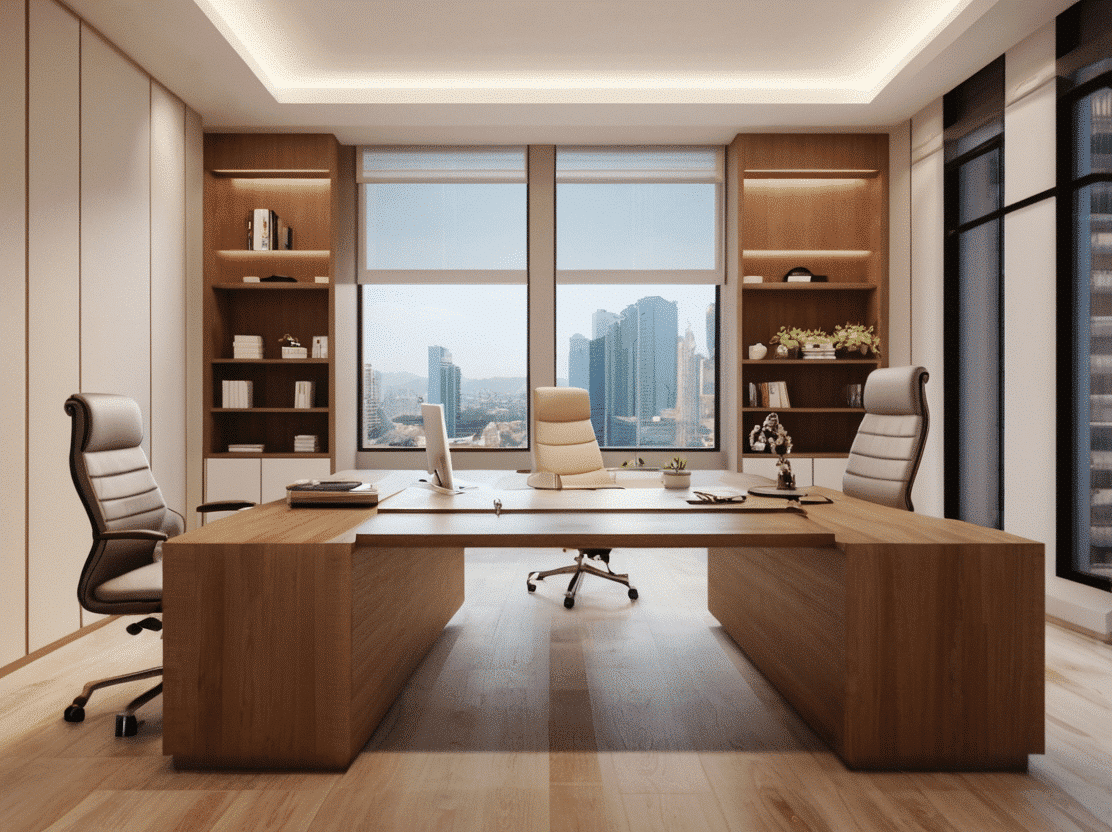 Illustration 6: Modern office space under 3500K or 4000K lighting
As we move further up to 5000K and above, this is mainly used in specialized environments, such as medical operating rooms, where extremely bright and accurate lighting is necessary. But honestly, for most spaces, 4000K is sufficient.
Oh, and there’s a particularly interesting application: jade displays. Can you guess what kind of lighting jade needs? That’s right, full-spectrum lighting! Because the color variations in jade are so rich, only full-spectrum light can perfectly showcase its beauty. DENO has over eight years of research and production experience in applying full-spectrum LEDs to LED strips (See Illustration 7).
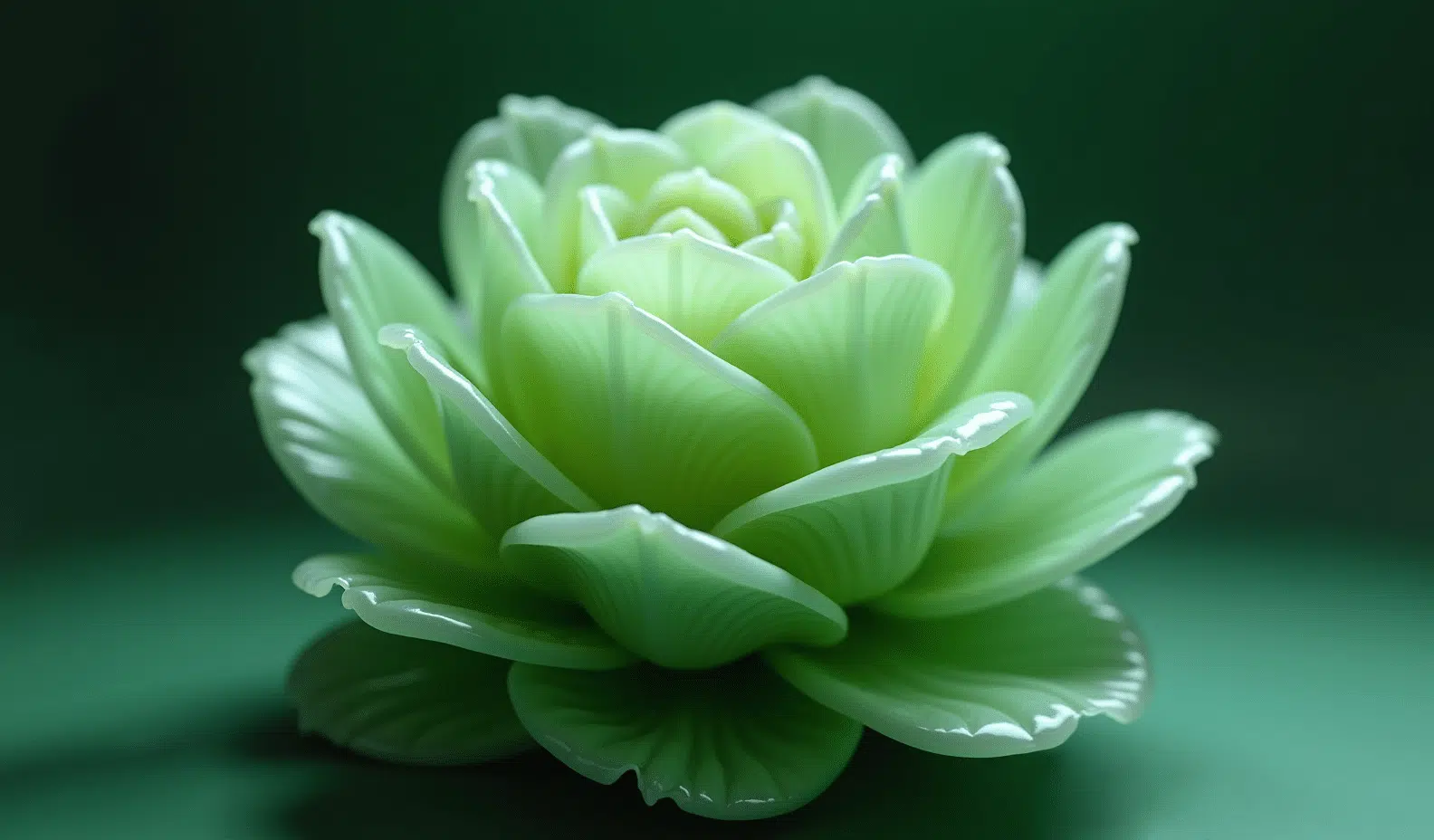 Illustration 7: Jade display under full-spectrum lighting
Lastly, I want to emphasize the importance of lighting design. Good lighting isn’t just about buying beautiful fixtures. It requires professional design, precise calculations, and meticulous adjustments. Especially in commercial spaces, lighting can directly impact foot traffic and sales! So, I want to tell everyone that although the investment in lighting in a project is relatively low, it is one of the elements that most effectively showcases the results. Don’t just focus on the fixtures themselves, but value the power of light. Good lighting can empower a space and create a unique atmosphere and experience.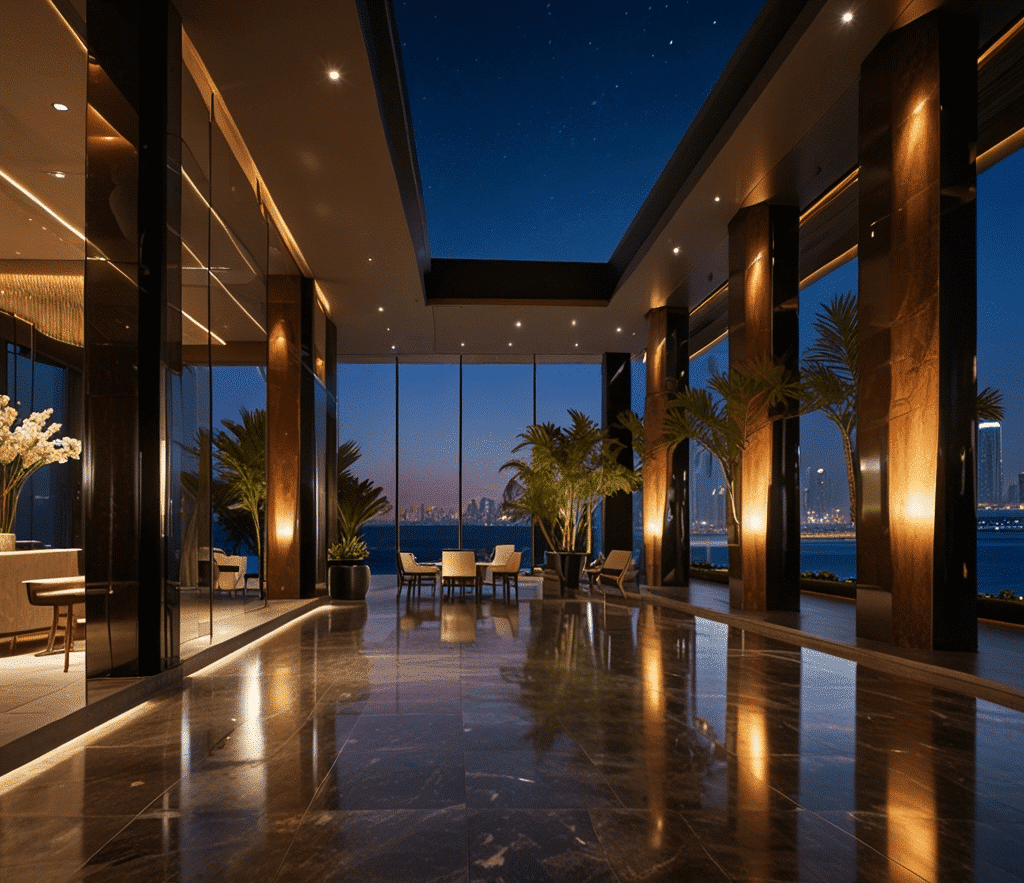
I hope today’s sharing was helpful. Remember, choosing the right color temperature lighting can add charm to your space! If you have any thoughts or experiences, feel free to contact DENO Lighting at any time!
A working map of colour temperature
2200-2400 K reads as candlelight and belongs in bars, lounges and intimate dining. 2700 K is the residential default and the closest match to a traditional incandescent lamp. 3000 K is the hospitality and premium retail workhorse: warm, but clean enough to keep whites white. 4000 K is neutral and suits offices, kitchens, corridors and general retail. 5000-6500 K reads as daylight and belongs in workshops, laboratories, medical and inspection tasks where accuracy outranks atmosphere.
Colour temperature and illuminance work together
The Kruithof relationship explains why a warm source at high illuminance feels oppressive and a cool source at low illuminance feels bleak. Low light levels want warm colour; high light levels tolerate and often need cooler colour. This is why dim-to-warm behaviour feels natural: as the level drops, the colour follows. Design the two variables together rather than picking a CCT first and setting brightness afterwards.
Do not separate CCT from CRI
Colour temperature describes the appearance of the light; CRI describes how accurately it reproduces object colour. A 3000 K source at CRI 80 and a 3000 K source at CRI 95 look completely different on skin, wood and fabric. For retail, hospitality and residential work, specify CRI 90+ and check R9. For colour-critical inspection or print work, use violet-excited full-spectrum sources with a smooth spectral distribution.
Consistency and binning tolerance
Two strips at the same nominal CCT can still be visibly different if they come from different bins. Specify a MacAdam ellipse tolerance - 3-step for general work, tighter for premium retail - and keep one production batch within a single visual field. Where a project runs in phases, reserve stock from the same batch rather than reordering later.
Mixing colour temperatures deliberately
Mixing is a tool, not a mistake, as long as the boundary is intentional. A 3000 K general layer with 2200 K accents reads as depth; a 3000 K cove next to a 4000 K downlight in the same ceiling plane reads as a fault. Keep the transition at a material or plane change so the eye interprets it as design.
Application checklist
Hotel lobby: 2700-3000 K, CRI 90+, dim to warm. Restaurant: 2400-2700 K, CRI 95, tight consistency. Fashion retail: 3000 K, CRI 95 with high R9. Supermarket fresh food: dedicated spectra per zone. Office: 4000 K, CRI 80-90, flicker controlled. Workshop or QC: 5000-6500 K, CRI 90+, high uniformity.
FAQ
What is the safest single CCT for mixed-use interiors? 3000 K satisfies the widest range of tasks and finishes.
Should exterior lighting be warm or cool? Warm CCTs below 3000 K reduce sky glow and insect attraction and are increasingly required by planning rules.
Can one strip cover several colour temperatures? Yes, with tunable white or dim-to-warm boards controlled by a compatible driver.